Being a Christian is not just a matter of being kind and patient. It is also a matter of being tough, committed, and passionate. This is particularly necessary when things desperately need to change. And things usually do not change when people are only kind and patient, but when, along with such qualities, they are prepared to make the hard decisions no matter the personal cost, and when they care enough to risk change. There are times when the broken-in horse may be of good use, but sometimes we do need the fiery stallion.
No Rusty Swords, Dietrich Bonhoeffer
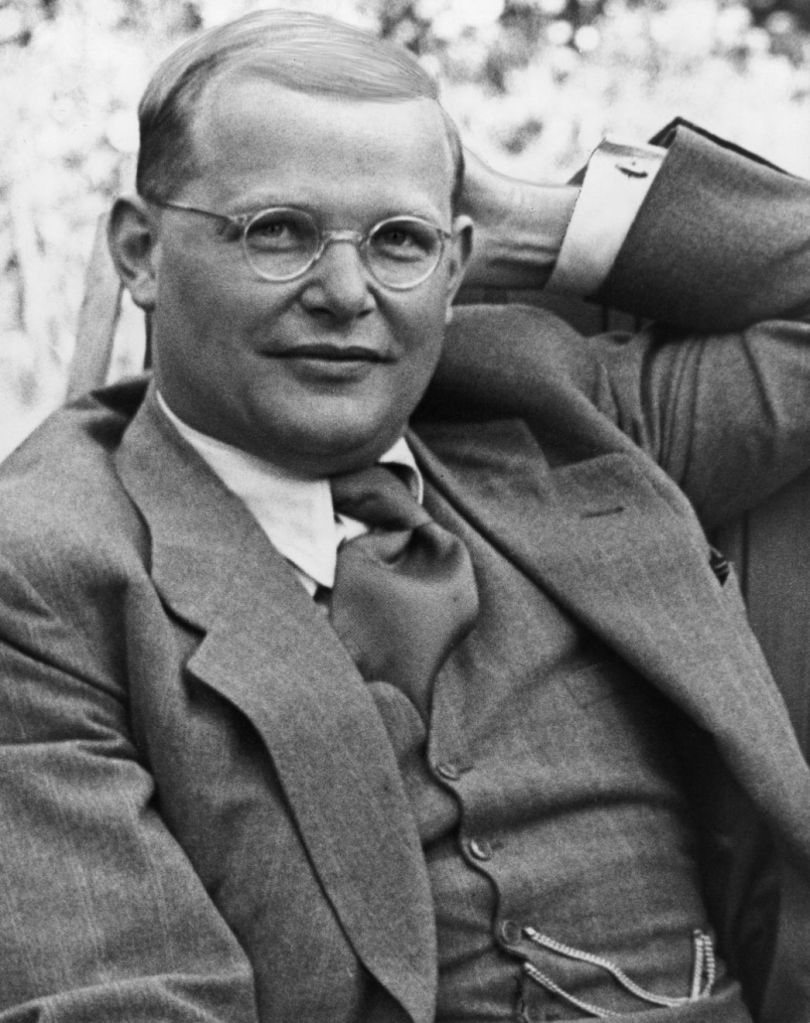
Dietrich Bonhoeffer’s life is a profound illustration of his belief in the necessity of being tough, committed, and passionate for genuine change, especially within the context of his Christian faith. Bonhoeffer was a German Lutheran pastor, theologian, anti-Nazi dissident, and key founding member of the Confessing Church. His stance against the Nazi regime and its atrocities against the Jews and other minorities showcased his commitment to his beliefs, despite the grave personal risks involved.
Bonhoeffer’s engagement in the German resistance against Hitler and his participation in plans to assassinate the dictator are stark examples of his conviction that being a Christian extends beyond the realms of kindness and patience. This was a man who, deeply rooted in his faith, chose to confront evil actively, embodying the toughness and passion he described as necessary for effecting change. He understood that combating such a pervasive and malignant force as Nazism required more than passive resistance; it demanded direct action, even if that meant breaking the law or engaging in violence, actions that would traditionally be against Christian teachings.
Despite the danger, Bonhoeffer returned to Nazi Germany from the safety of the United States, feeling that he could not be part of the post-war reconstruction of Christian life in Germany if he did not share the trials of this period with his countrymen. This decision ultimately led to his arrest in April 1943, and subsequent execution in April 1945, just weeks before the end of World War II. His sacrifice was a testament to his belief in the need for Christians to be actively involved in the world’s sufferings and injustices, ready to make hard decisions for the greater good.
Bonhoeffer’s life was a direct manifestation of his belief that true change requires a combination of kindness, patience, toughness, commitment, and passion. He lived and died in the pursuit of justice, demonstrating through his actions that faith must be lived actively and courageously, particularly when confronting evil and seeking to bring about transformative change. Bonhoeffer’s legacy continues to inspire many who find themselves at the intersection of faith and action, encouraging a stance that is both compassionate and uncompromisingly bold in the face of injustice.
 The Fiery Stallion